
Introduction
Brass die castings combine two strengths that rarely show up in the same part. You get the corrosion resistance and conductivity of a copper-zinc alloy, plus the dimensional repeatability of pressure die casting. That pairing is why engineers keep specifying brass for valves, connectors, and fittings that need to hold tight tolerances across thousands of production cycles.
Buyers usually land on the same handful of questions:
- Is brass actually right for this application?
- How does it stack up against bronze or aluminum?
- Should this part be die cast, sand cast, or machined from bar stock?
- How do tooling costs and annual volume change the math?
This guide walks through the die casting process, brass's key properties, alloy-selection factors, common applications, design considerations, limitations, and what to look for in a supplier before you commit to tooling.
Key Takeaways
- Brass die casting delivers repeatable, near-net-shape parts with corrosion resistance and electrical conductivity built in
- Cold-chamber machines are standard for brass because of its higher melting range compared to zinc or aluminum
- Alloy selection (not just "brass" generically) determines strength, conductivity, and corrosion performance
- Tooling investment pays off at higher volumes; low-volume runs often favor sand casting or machining instead
- Supplier experience with copper alloys matters more than a generic die-casting quote
What Are Brass Die Castings?
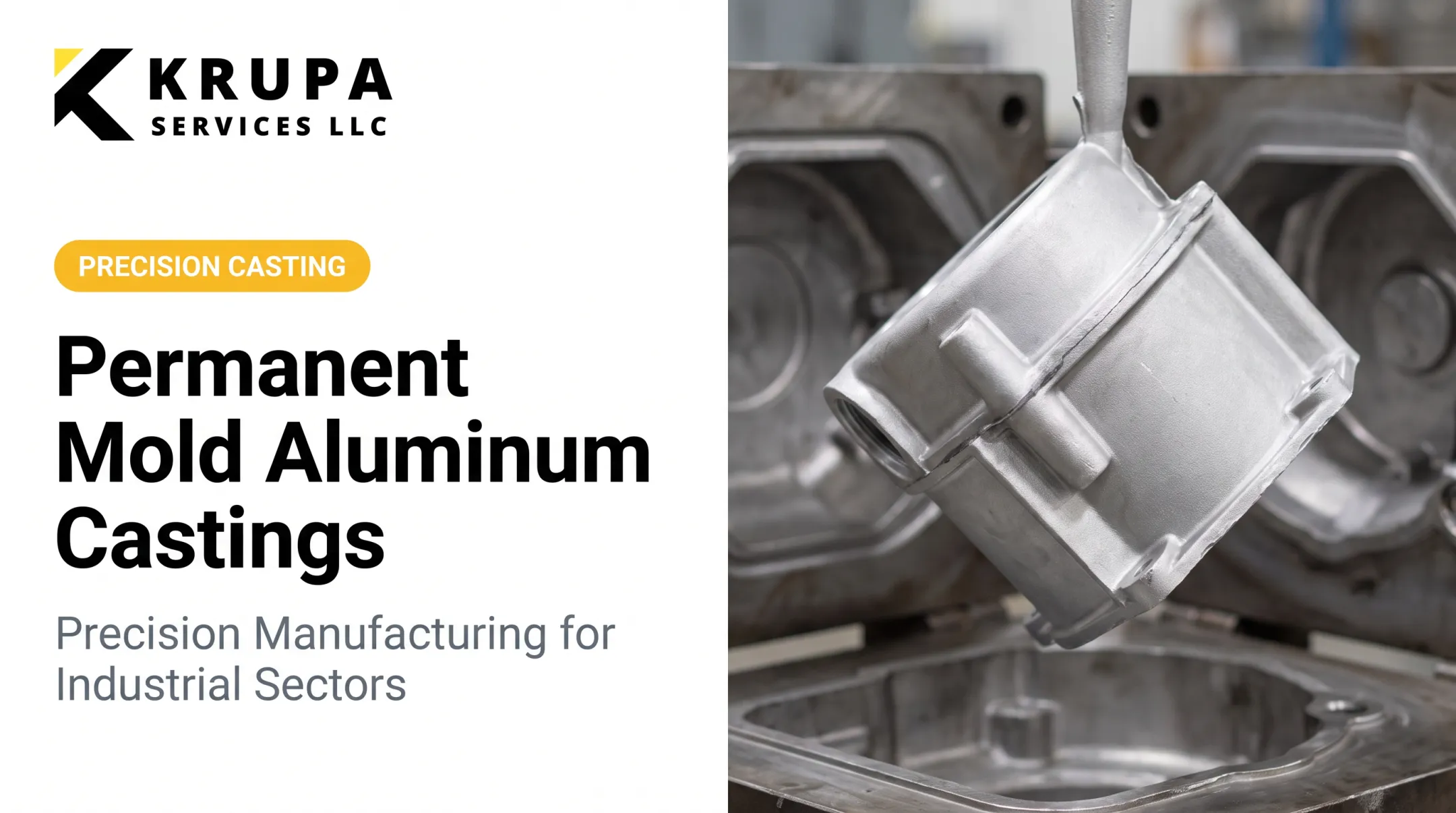
Brass die castings are components formed by injecting molten brass into a reusable, precision-machined steel die under high pressure. The metal fills the cavity fast, solidifies quickly, and comes out close to its final shape.
Two terms get used interchangeably and need a clean split. "Cast brass" is the umbrella category: sand casting, gravity casting, investment casting, centrifugal casting, and die casting. Die casting is one specific method under that umbrella, distinguished by its reusable metal die and pressurized fill.
Copper-alloy die castings are covered under standards like ASTM B176, which lists alloy designations such as UNS C85700 and C99700.
Why Pressure Filling Matters
Pressure-assisted filling packs the alloy into fine details before it cools, which is why die-cast brass parts tend to have:
- Tighter dimensional repeatability across production runs
- Sharper detail on threads, bosses, and thin ribs
- Smoother as-cast surfaces than sand or gravity casting typically achieves
- Near-net-shape geometry that reduces downstream machining
Brass vs. Aluminum and Zinc Die Casting
Brass isn't a drop-in substitute for the more common die-casting alloys. It's denser, more corrosion-resistant, and more electrically conductive than typical aluminum or zinc alloys, but it also demands higher processing temperatures. A rough comparison:
| Alloy | Density | Melting Range | Notes |
|---|---|---|---|
| Brass (C85700) | ~8.40 g/cm³ | 913–940°C | Higher strength, corrosion resistance |
| Aluminum (A380) | ~2.71 g/cm³ | 540–595°C | Lightweight, good conductivity |
| Zinc (Zamak 3) | ~6.6 g/cm³ | 381–387°C | Lower melt temp, high strength-to-weight |

Always confirm current property values against the alloy's technical datasheet before finalizing a design. Published figures vary by source and by casting method. Krupa Services' casting capabilities span investment, sand, and die-cast processes, so the right route can be matched to the part rather than forced into one method.
How the Brass Die-Casting Process Works
Getting a brass die casting right starts long before metal ever gets poured.
Engineering and Tooling Setup
During this stage, engineers review part geometry and:
- Select the brass alloy based on service requirements
- Plan the parting line, draft angles, and wall transitions
- Design gates, runners, vents, and overflows
- Lay out cooling channels, ejector pins, and any cores or inserts
Cold-Chamber Melting and Injection
Brass runs on cold-chamber machines, not hot-chamber equipment. It melts at a much higher temperature than zinc, so the alloy is melted in a separate furnace and ladled into the shot chamber just before injection instead of sitting in a heated pot on the machine.
Injection speed can also change mid-stroke to cut air entrapment during fill, according to NADCA's die-casting product standards.
The production sequence typically runs:
- Preheat and lubricate the die
- Close and clamp the die halves
- Transfer molten brass into the shot sleeve
- Inject at high pressure into the cavity
- Hold pressure through solidification
- Open the die and eject the casting
- Trim gates, runners, and flash
Process Control and Common Defects
Melt temperature, die temperature, injection speed, pressure, venting, and cooling all interact. Get one wrong and you'll likely see:
- Porosity — from trapped air or shrinkage during solidification
- Cold shuts or misruns — metal freezing before the cavity fills completely
- Flash — excess metal escaping at the parting line
- Die sticking — localized overheating causing metal to adhere to the die
- Dimensional variation — inconsistent cooling or fill patterns
Finishing and Inspection
After ejection, parts typically move through:
- Deburring
- Machining of critical surfaces
- Plating where specified
- Dimensional checks and visual inspection
Fluid-handling components (valve bodies, fittings) usually need pressure or leak testing before they ship. Krupa Services builds inspection and sampling into its casting workflow before parts leave the facility.

Brass Properties and Alloy Selection
Brass earns its place in die casting through a practical mix of performance traits:
- Corrosion and wear resistance
- Electrical and thermal conductivity
- Strong machinability
- Finish durability in humid or chemically demanding environments
The Conductivity-Strength Trade-Off
Pure copper conducts better than any brass alloy. That is basic materials physics. Copper is also soft and harder to machine cleanly, so brass trades some conductivity for strength and machinability.
According to the Copper Development Association's design guide, a 30% zinc brass runs at roughly 28% of pure copper's conductivity. Dropping zinc to around 5% can raise conductivity to about 56% IACS, at the cost of mechanical strength.
That means the right alloy depends on which property actually matters for your part:
- Maximum conductivity: copper or a low-zinc brass
- Strength and machinability: higher-zinc brass alloys
- Balanced needs: mid-range brass tied to a recognized UNS designation
Choosing by Alloy Designation, Not Just "Brass"
Don't specify a part as simply "brass." Alloy composition changes castability, strength, corrosion behavior, dezincification resistance, and finishing response. Reference actual alloy designations — like C85700 or C99700 — and their datasheets rather than generic ranges pulled from unrelated casting methods.
A practical selection framework should weigh:
- Water, chemical, or saltwater exposure
- Operating temperature and pressure
- Friction, wear, or impact loading
- Electrical load and weight targets
- Appearance and finishing needs
- Expected service life
Brass or Bronze?
This question comes up constantly, and there is no universal winner. Brass is copper-zinc; bronze is copper-tin. Bronze families often handle heavier wear and higher load-bearing applications well, while brass tends to offer better machinability and cost efficiency for pressure-tight, corrosion-resistant parts. The right call depends on corrosion exposure, wear profile, strength needs, and casting method, not a blanket rule.
Benefits, Limitations, and Applications
What Brass Die Casting Does Well
- High repeatability across production runs once tooling is qualified
- Complex geometry and fine detail achievable in a single shot
- Reduced secondary machining for well-designed parts
- Consistent surface finish suitable for plating or direct use
- Compatibility with threaded inserts and other embedded features
Where It Falls Short
Brass's higher density and processing temperature bring real trade-offs:
- Heavier parts than aluminum or zinc equivalents at the same volume
- More demanding thermal control during casting
- Faster die wear from higher melt temperatures
- Higher upfront tooling and equipment investment
- Secondary machining may still be needed on critical surfaces
Where Brass Die Castings Show Up
| Application Group | Key Property Driving Selection |
|---|---|
| Valves, fittings, pump housings, metering bodies | Corrosion resistance, pressure integrity |
| Electrical connectors, terminals, grounding hardware | Conductivity, contact reliability |
| Locks, handles, lighting fixtures, architectural hardware | Appearance, wear resistance, finishing flexibility |
| Automotive and industrial machinery components, bushings, sensors | Machinability, wear resistance, repeatable fit |
Brass isn't the right call everywhere, though. Weight-sensitive designs, extreme-temperature service, maximum-conductivity needs, or volumes too small to justify dedicated tooling often favor another route.
Forging, machining, gravity casting, or a different alloy may fit better in those cases. A quick volume-and-requirements check upfront saves a lot of rework later.
Design and Supplier Considerations
Design-for-Manufacturing Basics
A few habits consistently reduce cost and defect rates:
- Keep wall sections as consistent as possible
- Apply adequate draft and generous radii; avoid sharp internal corners
- Position parting lines with ejection and cosmetic surfaces in mind
- Build in venting and overflow features early, not as an afterthought
- Reserve tight-tolerance machining for surfaces that genuinely need it
What Actually Drives Cost
Total program cost depends on more than a per-pound material comparison. Key drivers include:
- Production volume and part size
- Geometry complexity and tolerance requirements
- Surface finish and alloy choice
- Secondary operations, tooling amortization, and cycle time
A detailed quote that folds in finishing and tooling will tell you far more than a raw material price ever will.
Evaluating a Casting Supplier
Before committing to tooling, check for:
- Documented experience with brass and other copper alloys specifically
- Engineering and DFM support during quoting, not just after
- Clear tooling ownership and maintenance terms
- Alloy traceability and material certification
- Process controls and inspection documentation
- In-house or coordinated secondary machining and finishing
- Realistic delivery planning and responsive communication
Krupa Services runs its casting program across a 100+ plant manufacturing network, offering investment, sand, and die-cast processes alongside heat-treat and surface-finish options. RFQs typically get a response within one business day.

Quality services include supplier qualification, PPAP approval, and inspection before shipment. Confirm alloy availability, certification requirements, and project scope against the actual part specification before you commit.
Conclusion
Brass die castings earn their keep when a part genuinely needs corrosion resistance, wear performance, conductivity, strength, and repeatable complex geometry all at once. When only one or two of those properties matter, a simpler alloy or process may serve just as well for less money.
Before locking in a manufacturing approach, define:
- Service environment and performance requirements
- Part geometry, annual volume, and tolerances
- Finishing needs and inspection expectations
Those details—not a generic material comparison—should drive alloy selection, casting method, tooling strategy, and the manufacturing partner you choose.
Frequently Asked Questions
Which is better for casting, brass or bronze?
Choose based on corrosion exposure, wear, strength, machinability, and conductivity. Brass usually wins on machinability and cost; bronze holds up better under heavy wear or load.
What is the difference between casting and die casting?
Casting is the broad category of forming metal by pouring it into a mold. Die casting is a specific method using a reusable metal die and high pressure to produce detailed, repeatable parts.
Is there such a thing as cast brass?
Yes. Cast brass parts are made by sand, gravity, investment, and die casting. Die casting is one of several routes used when you need detailed, repeatable brass components.