
The U.S. Department of Energy notes that a 10% reduction in vehicle weight can improve fuel economy by 6%-8%, since lighter vehicles need less energy to accelerate (DOE, Lightweight Materials for Cars and Trucks). Aluminum castings are one of the primary tools engineers use to get there.
This article breaks down what automotive aluminum castings are, the main casting processes available, where they show up on a vehicle, and what to consider on design, cost, and supplier selection before you commit to a program.
Key Takeaways
- Aluminum castings cut weight without sacrificing strength, supporting fuel economy, EV range, and handling.
- Process choice (sand, permanent-mold, die, or investment casting) depends on volume, geometry, tolerance, and tooling budget.
- Highest-impact uses include engine blocks, transmission cases, subframes, and battery enclosures.
- Design decisions made early, including wall thickness, draft angles, and gating, determine whether a part is castable at scale.
- Supplier vetting on alloy control, inspection capability, and traceability matters as much as the casting process itself.
What Are Automotive Aluminum Castings and Why Are They Used?
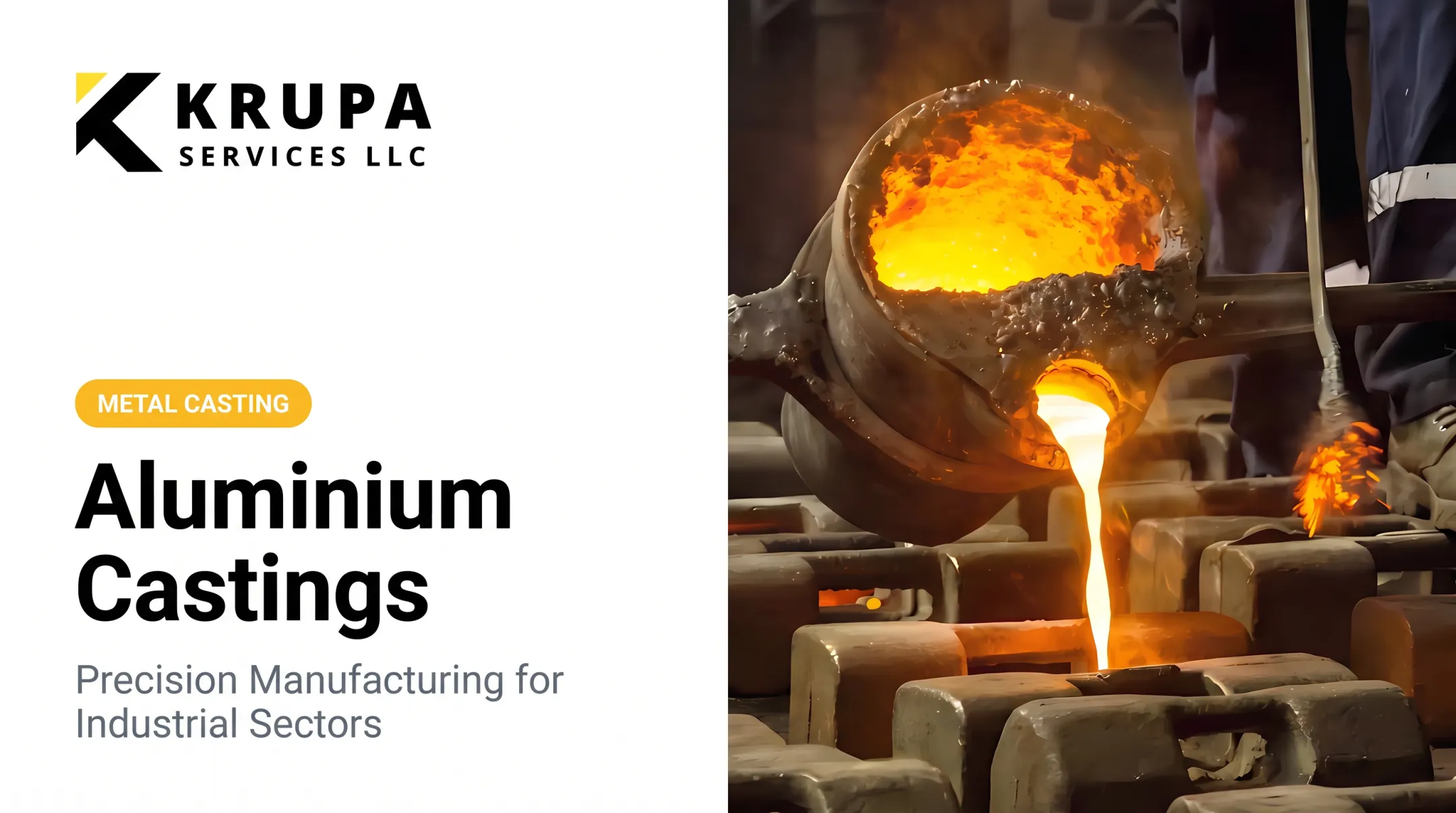
An automotive aluminum casting is a component formed by pouring or injecting molten aluminum alloy into a mold, then removing the solidified part for inspection, machining, or finishing. The mold can be expendable sand, a reusable metal die, or a ceramic shell, depending on the process.
Automakers specify aluminum castings for several material advantages:
- Density around 2,700 kg/m³ — about one-third that of steel (ASM International)
- High strength-to-weight ratio, with some heat-treated alloys exceeding 550 MPa tensile yield strength
- Corrosion resistance without heavy coatings in many applications
- Strong thermal conductivity for heat exchangers and engine components
- High recyclability — a Worcester Polytechnic Institute study for the Aluminum Association found a 91% end-of-life recycling rate for automotive aluminum (Aluminum Association, 2021)
How Aluminum Compares to Steel
The right material always depends on what the part actually has to do. That said, a few general patterns hold:
| Factor | Aluminum | Steel |
|---|---|---|
| Density | ~2,700 kg/m³ | ~7,850 kg/m³ |
| Corrosion resistance | Generally strong without coating | Often needs coating or plating |
| Thermal conductivity | High | Lower |
| Strength/stiffness (per volume) | Lower | Higher |
| Typical unit cost | Higher per kg (alloy-dependent) | Lower per kg (alloy-dependent) |
Where Aluminum Falls Short
Aluminum isn't a universal fix. Engineers still need to plan around:
- Lower fatigue performance than some steels at equivalent geometry
- Porosity risk when process control or gating design slips
- Distortion during solidification or heat treatment
- Joining limits when welding aluminum into steel assemblies
- Reduced mechanical properties at sustained high operating temperatures
Why Casting Still Wins on Complexity
Casting can consolidate multiple stamped or machined parts into one component. That means fewer fasteners, fewer assembly steps, and less downstream logistics — when production volume justifies the tooling investment.
Automotive Aluminum Casting Processes
Process selection comes down to part geometry, dimensional tolerance, surface finish, production volume, tooling budget, and the mechanical performance the part needs. There is no single best process, only the best fit for a specific part.
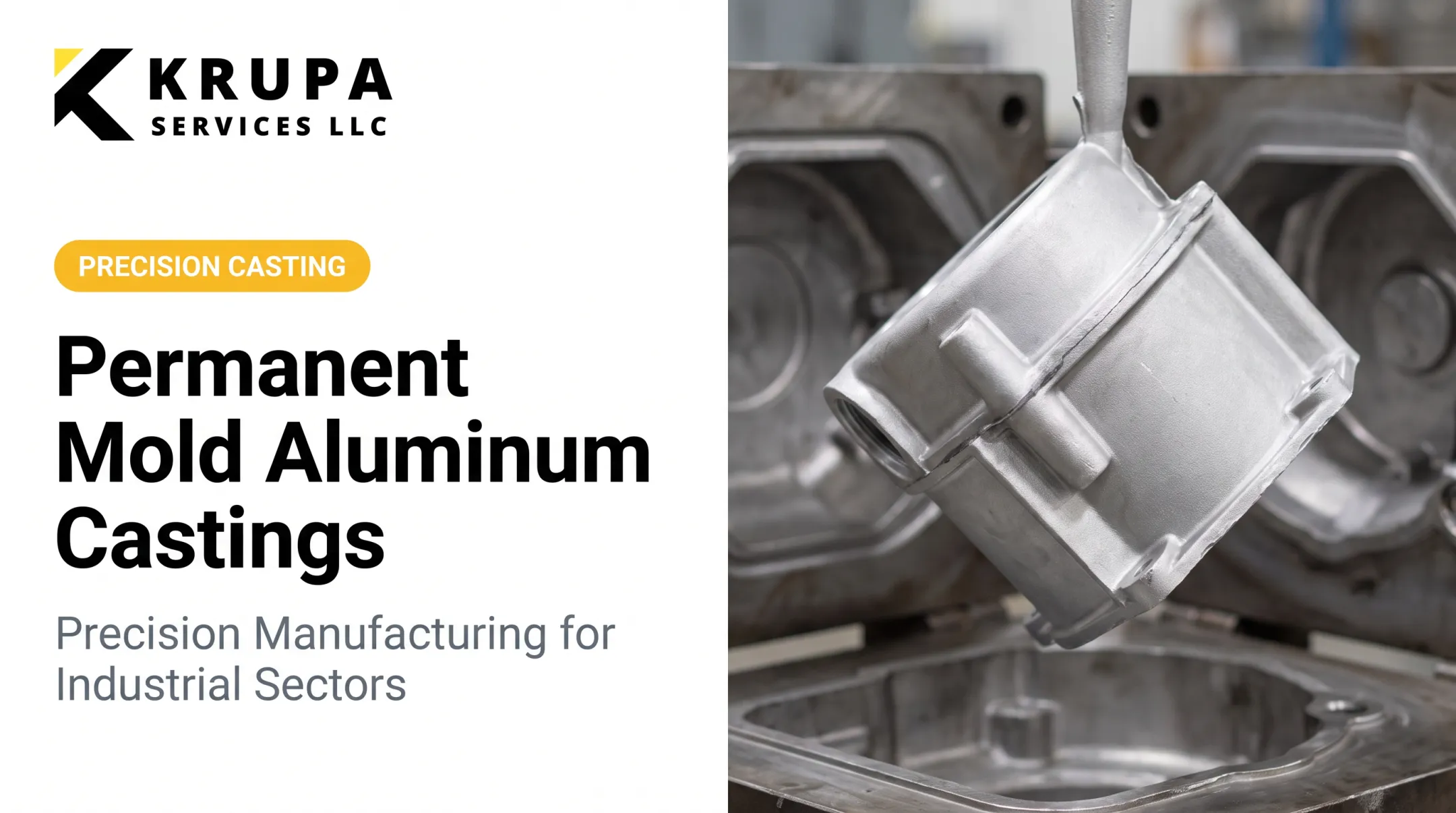
Permanent-Mold Casting
Permanent-mold casting uses a reusable metal mold, filled by gravity, low pressure, or vacuum. It fits well when you need:
- Medium-to-higher production volumes
- Housings, brackets, and manifolds
- Parts that need consistent dimensions and surface quality run after run
Tooling costs more upfront than sand casting, but the mold is reusable across thousands of parts. Tradeoffs include design limitations around core placement and the likely need for secondary machining on critical surfaces.
Sand Casting
Sand casting builds an expendable mold around a pattern. Choose it for:
- Prototypes and low-to-medium volumes
- Large components that would be impractical in a metal die
- Complex geometries where tooling flexibility matters more than cycle time
The tradeoff is straightforward: lower tooling cost, but generally coarser surface finish and dimensional consistency than permanent-mold or die casting, plus more machining afterward.
Die Casting
High-pressure die casting (HPDC) injects molten aluminum into a steel die under significant pressure.
For aluminum, this is almost always a cold-chamber process: the melt is ladled into a shot sleeve outside the furnace, not pumped through a submerged system as in hot-chamber machines used for lower-melting-point metals like zinc (ASM International, Cold Chamber Die Casting).
Die casting shines for high-volume parts needing:
- Thin walls and intricate features
- Repeatable dimensions across large production runs
- Short cycle times
The catch is die cost. Steel dies represent a serious upfront investment, so this process only makes economic sense once volume is high enough to amortize it.
Investment and Other Specialized Casting Methods
When geometry outruns what sand, permanent-mold, or standard die casting can deliver cleanly, specialized methods fill the gap.
Investment casting surrounds a disposable wax or thermoplastic pattern with ceramic slurry, then burns out the pattern before pouring metal into the shell. It suits intricate, smaller components such as fuel pump housings or injector clamps, where shell cost is justified by complexity other processes cannot reproduce.
Other specialized approaches worth knowing:
- Vacuum-assisted HPDC: pulls air from the die to reduce gas porosity for higher-integrity parts
- Squeeze casting: SAE documented its use converting a front knuckle from cast iron to squeeze-cast aluminum (SAE International, 1999)
- Semi-solid casting: thixocasting and rheocasting routes for complex thick- and thin-wall parts
Not every method fits every part. Confirm process availability and defect data with your foundry before treating options as interchangeable.
Process Comparison and Selection
| Process | Best-Fit Volume | Tooling Cost | Geometry/Finish |
|---|---|---|---|
| Sand | Prototype to low volume | Lowest | Flexible, more machining needed |
| Permanent mold | Low-to-medium volume | Moderate-to-high | Good repeatability |
| Die casting (HPDC) | High volume | High | Excellent detail, low machining |
| Investment | Low-to-medium, intricate parts | Pattern/shell cost | Excellent complex detail |
A practical decision sequence looks like this:
- Define the part's function and operating environment
- Identify alloy and mechanical performance needs
- Estimate annual production volume
- Assess your tooling budget against that volume
- Review machining and finishing requirements
- Validate through prototypes or sample parts before committing to production tooling

Common Automotive Applications for Aluminum Castings
Engine and Powertrain Components
Aluminum castings have been in engine bays for decades. SAE published a paper on an aluminum die-cast six-cylinder engine block back in 1956. Today, common cast aluminum powertrain parts include:
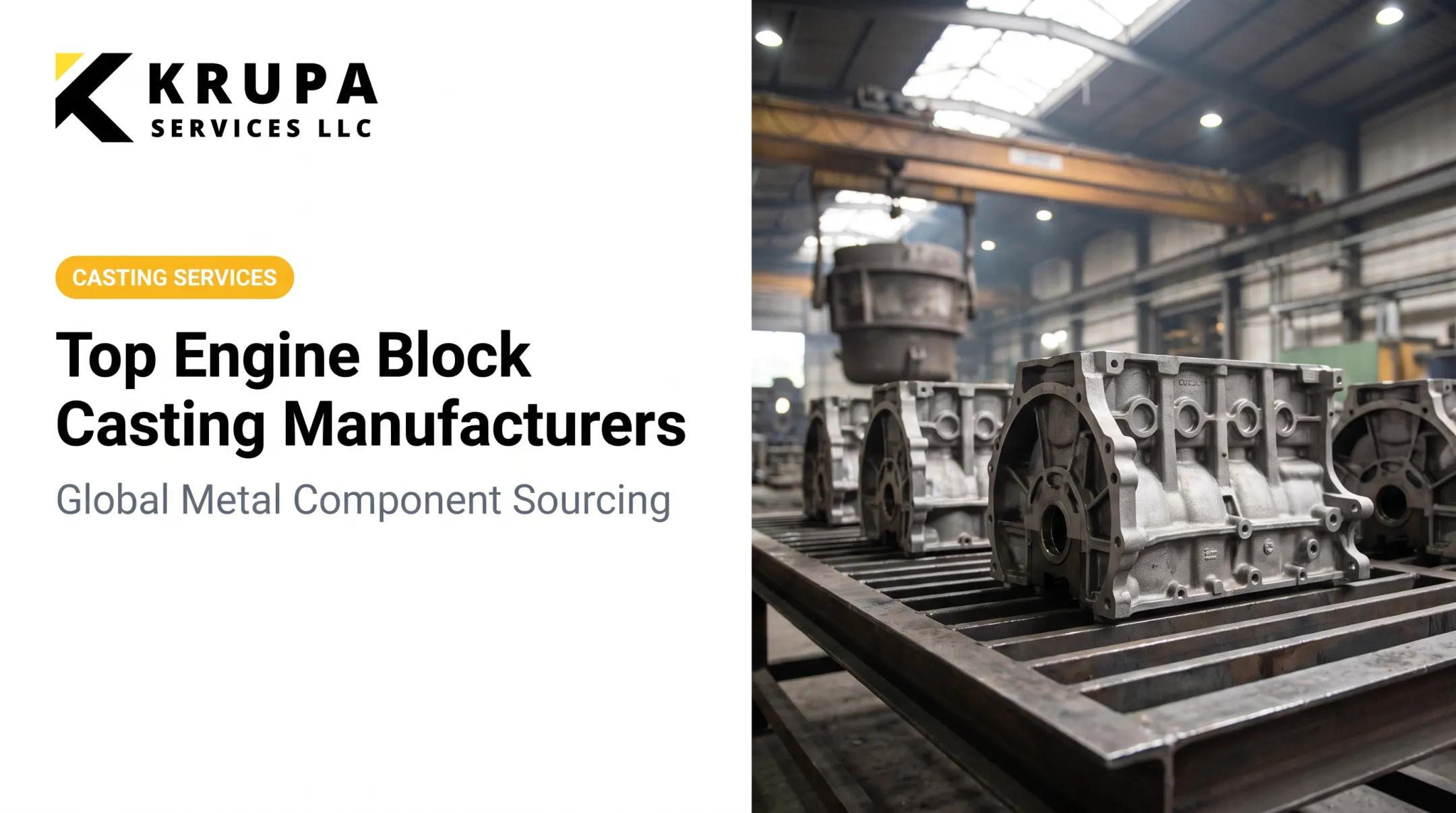
- Engine blocks and cylinder heads
- Oil pans and intake manifolds
- Transmission cases and gearbox housings
- Valve bodies and mounting brackets
Lightweight construction reduces engine mass, and aluminum's thermal conductivity helps manage heat generated by combustion.
Chassis, Suspension, and Structural Parts
Cast aluminum shows up in crossmembers, control arms, shock towers, subframes, and structural nodes.
Magna's one-piece aluminum front subframe for the 2021 Acura TLX is a clear real-world case: it consolidated multiple attachment points into a single casting and trimmed 7.1 kg (about 15.7 lb) from the vehicle (Modern Casting, 2021).
Safety-critical parts like these demand validated alloy properties, fatigue testing, impact performance, and full traceability, not just a good-looking casting.
Wheels, Brake, Cooling, and Electrical Components
Aluminum castings also cover a wide range of thermal-management and electrical enclosures:
- Wheels and select brake components
- Water pump housings and heat exchangers
- Motor housings and inverter housings for EVs
- Sensor housings and control module enclosures
EV and Large Structural Castings
Electric vehicles have pushed aluminum casting into new territory. Assembly magazine reported that Tesla adopted large aluminum megacastings to build a three-piece chassis with a structural battery pack integrated between the front and rear sections (Assembly, 2025).
Battery enclosures and integrated underbody structures can consolidate dozens of stamped parts into one casting. That means fewer fasteners, less weight, and faster assembly.
Large structural castings also raise tooling cost, complicate repairability after a collision, and demand careful handling and inspection given their size.

Design, Performance, and Cost Considerations
Design for Aluminum Casting
Design decisions made before tooling lock in scrap risk, machining time, and launch cost. Build these rules in from the first layout:
- Keep wall thickness uniform; abrupt changes invite porosity and shrinkage
- Add draft on surfaces parallel to die opening so parts eject cleanly
- Use generous fillets instead of sharp internal corners to cut stress concentration
- Plan accessible cores and venting paths to limit trapped gas
- Set realistic tolerances and machining stock before the tool is cut
Run casting simulation and solidification analysis early. Bring engineering, quality, and machining into the review before steel is cut—prototype checks catch issues that are cheap on paper and costly in the die.
Alloy and Performance Selection
Once the geometry is stable, alloy choice sets strength, durability, and downstream cost. Match the grade to tensile and fatigue needs, operating temperature, corrosion exposure, weldability, and machinability. NADCA identifies A380 as the most widely used aluminum die-casting alloy, with tensile values from 177–243 MPa depending on condition (NADCA Alloy Data). Other families fill different roles:

- A356 for sand and permanent-mold work, often heat-treated for structural or cylinder-head duty
- A413 where fluidity and pressure tightness matter most
- A380 as the mainstream high-pressure die-casting grade with solid machinability
No single alloy fits every application. Ask for alloy-condition certificates and fatigue data on your part instead of relying on handbook averages.
Quality, Testing, and Post-Processing
Design and alloy only hold if the control plan matches the duty cycle. A practical plan usually includes:
- Melt chemistry checks and temperature monitoring
- Dimensional measurement against design datums
- Porosity limits, plus leak testing on pressure-containing parts
- Radiography or ultrasonic inspection where internal integrity is critical
- Hardness testing to confirm heat treatment
- Lot traceability through machining and finish
Trimming, CNC machining, heat treatment, deburring, and coating then bring the casting to final print.
Cost Drivers and Total Cost of Ownership
Those same design, alloy, and quality choices show up in the quote. Piece price is only one line; total cost usually tracks:
- Part mass and alloy cost
- Tooling and die complexity versus volume
- Cycle time, yield, and scrap rate
- Machining, inspection, and finishing content
- Logistics and supplier location
Skip flat per-part numbers. Ask for tooling broken out from recurring piece price, then compare landed cost over the full program. Make alloy, size, volume, tolerances, and finish assumptions explicit on every quote you rank.
Krupa Services supports investment, sand, and die casting for structural automotive and powertrain parts—manifolds, transmission components, brackets, and housings—with heat-treat, surface finish, and pre-shipment inspection aligned to the control plan you specify.
Quality and Supplier Selection for Automotive Aluminum Castings
Choosing a casting supplier is as important as choosing the process. A practical qualification checklist should cover:
- Relevant casting-process experience for your specific part type
- Alloy control and melt chemistry verification
- Design-for-manufacturing support during early development
- Tooling ownership terms and mold maintenance responsibility
- Inspection equipment and documented traceability
- Corrective-action procedures for defects
- Capacity to meet your required annual volume
Before committing, ask for sample parts, capability data, control plans, and defect or rework history from comparable programs. Confirm quality-system compliance directly with the supplier rather than assuming it.
Quality diligence alone is not enough—lock down commercial terms in the same pass:
- What's the lead time from prototype to production?
- Who handles secondary machining and finishing?
- What's the contingency plan if a die fails mid-production?
- How is intellectual property protected during tooling development?
Krupa Services coordinates casting through a network of 100+ vetted manufacturers, with flexibility on capacity plus precision machining, fabrication, assemblies, and proprietary parts manufacturing.

For automotive programs that need casting paired with machining or supplier-network support, that mix can simplify sourcing. Confirm the exact casting and finishing scope during consultation—requirements vary by part.
Conclusion: Selecting the Right Automotive Aluminum Casting Solution
The right casting process depends on how part function, alloy, geometry, production volume, tooling economics, and downstream machining interact.
Before requesting a feasibility review or quote, have these ready:
- Drawings or 3D files
- Alloy and performance requirements
- Expected production volumes
- Tolerances and finishing needs
- Delivery targets
Bring that information to a qualified manufacturing partner so process selection stays grounded in your actual requirements.
Frequently Asked Questions
What are automotive castings?
Automotive castings are vehicle components formed by shaping molten metal in a mold. Aluminum castings are chosen when a part needs a strong balance of low weight, corrosion resistance, thermal performance, and manufacturability.
How much does it cost to cast metal?
Cost varies with alloy, part size and complexity, casting process, tooling, production volume, tolerances, machining, and finishing. Rather than relying on a generic price, request a specification-based quote from your supplier.
What's the difference between die casting and permanent-mold casting?
Both use reusable metal molds. Die casting injects metal under high pressure for thin-walled, high-volume parts; permanent-mold casting typically uses gravity or low pressure for medium-volume runs.
Which aluminum alloy is best for automotive castings?
There's no universal answer. A380 dominates die casting for its machinability, A356 suits heat-treated structural parts, and A413 is preferred where pressure tightness matters most.
Can aluminum castings replace steel parts on safety-critical components?
Yes, but only with validated alloy performance, fatigue testing, and traceability specific to the part's load case. Safety-critical applications need engineering sign-off, not a material swap alone.